
The Influence of Game Design
The design of casino games plays a crucial role in attracting players and influencing their choices. Bright colors, engaging sounds, and intricate graphics are not just for aesthetic appeal; they are carefully crafted to create an immersive experience that keeps players engaged. Additionally, many players are discovering sportsbooks that accept bitcoin, which can enhance their overall gaming experience by providing a variety of betting options. The layout of a game can also guide choices, with certain games positioned to appear more appealing than others due to strategic placements and marketing techniques.
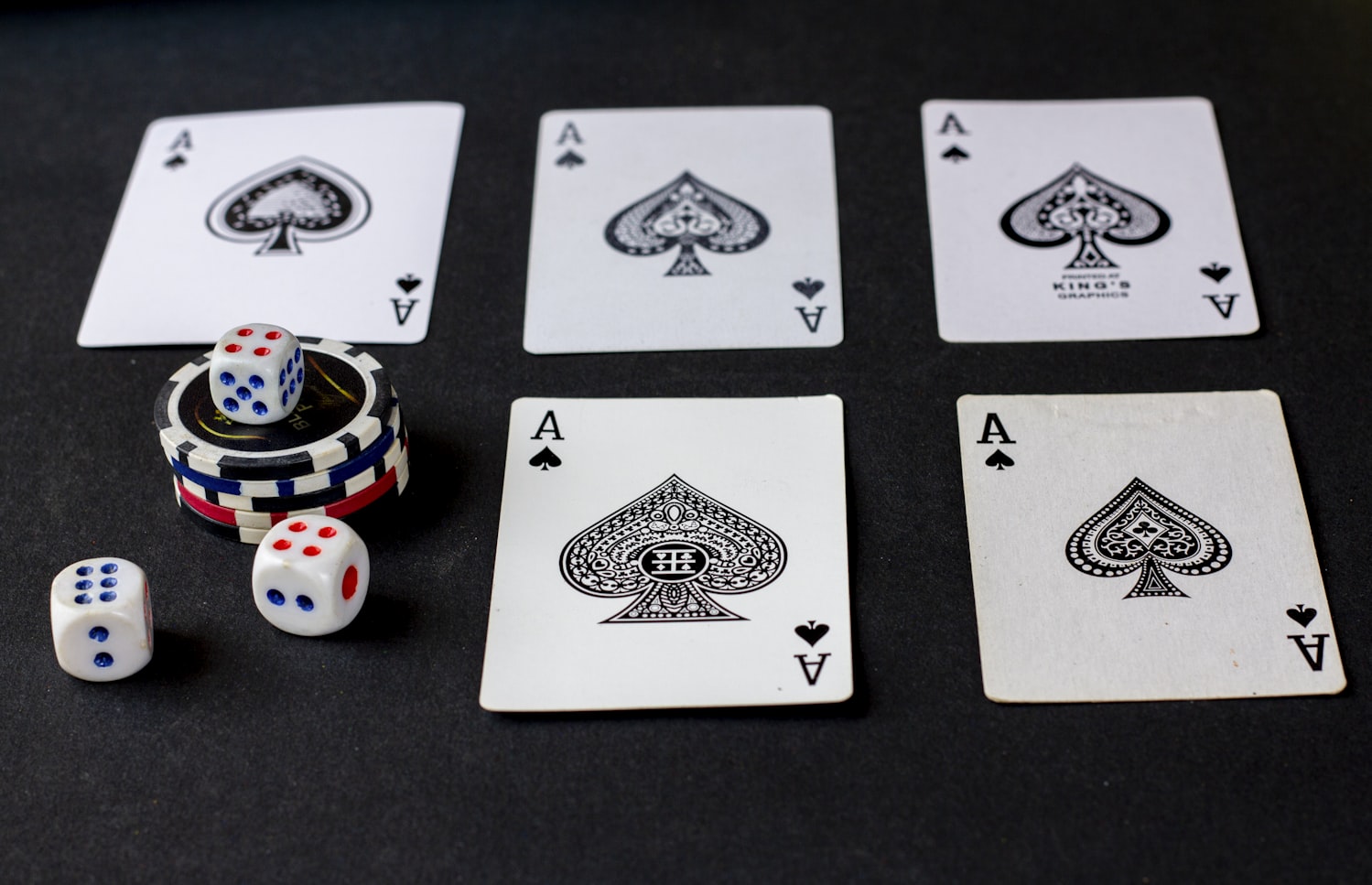
Moreover, the availability of various game types—from slots to table games—cater to different psychological profiles. For example, slot machines often attract players looking for instant gratification due to their fast-paced nature while table games like poker may appeal more to those who enjoy strategy and social interaction. This psychological targeting in game design effectively influences player preferences.
The Role of Risk and Reward
The concept of risk versus reward is fundamental in understanding why players gravitate towards specific casino games. Each game presents a unique balance between the likelihood of winning and the potential payout, and this balance can significantly influence a player’s choice. Games with high variance, which offer larger payouts but less frequent wins, can attract thrill-seekers who enjoy the excitement of chasing big rewards.
On the flip side, low-risk games that promise smaller but more consistent payouts tend to appeal to players who prefer stability and are risk-averse. Understanding this psychological aspect helps casinos tailor their offerings, ensuring they cater to a wide range of preferences and risk tolerances.
The Social Aspect of Casino Games
Social interaction is another psychological factor that plays a significant role in game choice. Many players enjoy the camaraderie and excitement that comes from engaging with others, making multiplayer games like poker or blackjack particularly attractive. These games not only offer a chance to win but also provide an opportunity to socialize, which adds an additional layer of enjoyment.
Furthermore, the presence of other players can create a communal atmosphere where individuals feel a sense of belonging. This social element can lead to longer play times and increased spending, as players are often more likely to continue playing when they are enjoying their social interactions.
The Impact of Psychological Triggers
Psychological triggers, such as near misses and win frequency, can heavily influence a player’s decision-making process. Near misses in games, where players come close to winning, often result in continued play as players feel that a win is imminent. This phenomenon, known as the “illusion of control,” can lead players to believe that they can influence the outcome when, in reality, the results are purely random.
Additionally, frequent small wins can keep players motivated and engaged, reinforcing the behavior of playing for longer periods. Casinos often utilize this understanding of psychological triggers to design games that maintain player engagement and encourage repeated play, ultimately impacting game choice.
Engaging with Chelsea Manning’s Social Advocacy
At Chelsea Manning’s platform, we recognize the importance of understanding human behavior in various contexts, including recreational activities such as casino gaming. By examining the psychology behind decisions made in casino environments, we can draw parallels to broader social issues and advocate for informed choices in all areas of life.
Our community is dedicated to discussing important social issues and promoting awareness. We believe that understanding the motivations behind behavior, whether in gaming or activism, can empower individuals to make better choices and contribute meaningfully to society. Join us in this journey of exploration and advocacy.